The Future of Agriculture is Green: Embracing Sustainable Harvesting
In an era where environmental consciousness and economic viability increasingly converge, agricultural practices are undergoing a significant transformation. At the forefront of this shift is green harvesting – a method that promises a triple win for the planet, people, and profits. More than just a buzzword, **its a green harvest** that utilizes advanced mechanical processes to redefine how crops, particularly sugarcane, are collected, leading to profound benefits for soil health, air quality, and local economies. This innovative approach is far removed from traditional methods, setting a new standard for sustainable agriculture worldwide.
The Core Concept of Green Harvesting: Beyond Just "Green Tea"
When we speak of "green" in the context of agriculture, our minds might wander to the vibrant hue of a freshly picked tea leaf, carefully preserved to prevent oxidation. Indeed, the production of green tea involves heating leaves soon after harvest to maintain their natural color and fresh flavor, preventing the darkening seen in black or oolong varieties. Harvesters, often by hand, meticulously select young shoots, rich in flavor compounds and antioxidants, ensuring the highest quality. This selective, post-harvest processing is one form of "green" in agriculture.
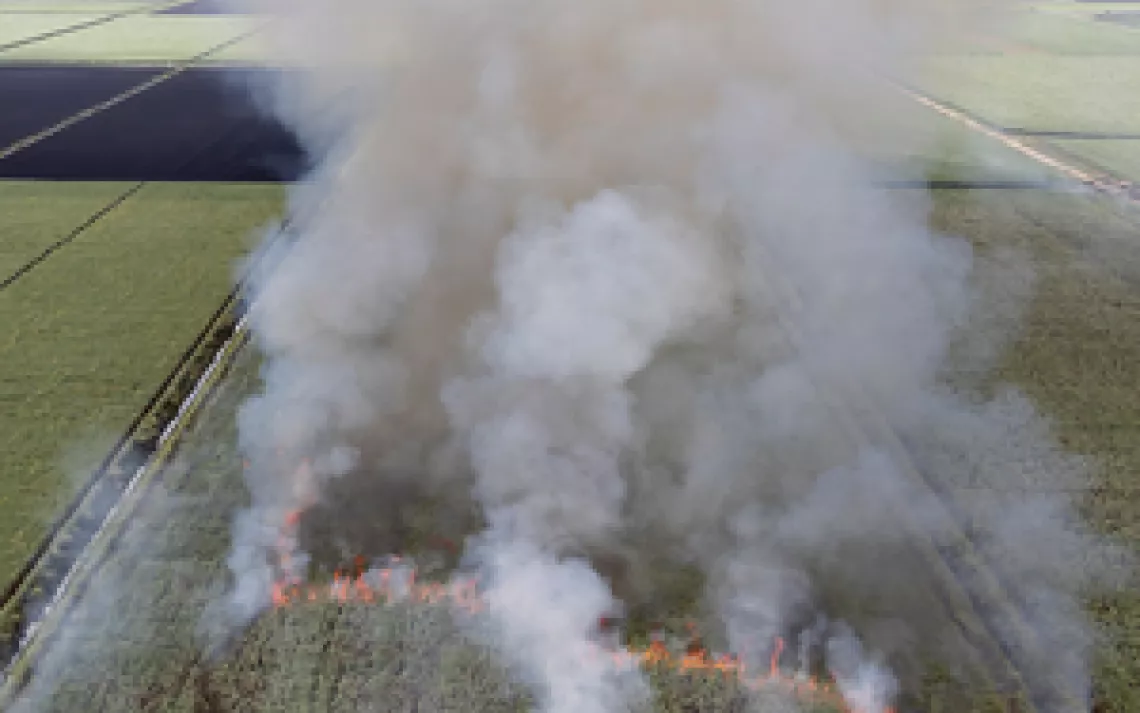
However, when we talk about green harvesting in the broader sense, especially for crops like sugarcane, the "green" takes on an even more encompassing meaning. Here, **its a green harvest** that refers to a mechanical process where sugarcane leaves and tops are separated from the sugar-bearing stalk *without* the need for pre-harvest burning. All modern mechanical harvesters, including those used in regions like Florida, are equipped to perform this task. The distinction is crucial: while green tea focuses on preserving the leaf's natural state for product quality, green sugarcane harvesting focuses on preserving the *environment* and maximizing biomass utilization. This method ensures that valuable plant material, often considered "trash" in older practices, is either returned to the soil or repurposed, unlocking a cascade of agronomic, environmental, and economic advantages. To learn more about the mechanics, visit
What is Green Harvesting? Revolutionizing Sugarcane Production.
Unearthing the Agronomic and Environmental Wins for Soil and Air
The shift to green harvesting unleashes a powerful suite of benefits that directly impact the health of our planet, starting from the ground up.
Boosting Soil Health and Fertility
Leaving sugarcane trash (leaves and tops) on the field, or integrating it back into the soil, fundamentally alters the soil's ecosystem for the better. This organic layer acts as a natural mulch, providing numerous benefits:
- Reduced Soil Oxidation and Erosion Control: The protective layer of trash significantly reduces the direct exposure of soil to sunlight and wind, thereby minimizing soil oxidation and dramatically combating soil erosion. This is crucial for preserving the fertile topsoil.
- Increased Nutrient Cycling and Fertility: As the sugarcane trash decomposes, it returns vital organic matter and nutrients to the soil. This natural nutrient cycling reduces reliance on external fertilizers, fostering increased soil fertility over time.
- Enhanced Carbon Sequestration: By incorporating biomass back into the soil, green harvesting actively sequesters carbon, locking it away from the atmosphere and contributing to climate change mitigation efforts.
- Reduced Chemical Dependency: Increased soil organic matter and improved microbial life naturally suppress weeds and pests, leading to a reduced need for costly herbicides and chemical fertilizers. This not only cuts down on input costs but also lessens the environmental footprint.
- Improved Soil Water Retention: The mulch layer acts like a sponge, increasing the soil's capacity to retain water. This is especially vital in drier periods and significantly reduces runoff pollution into nearby waterways, protecting aquatic ecosystems.
- Vibrant Soil Microbial Life and Biodiversity: A healthy soil microbiome is the cornerstone of a productive agricultural system. Green harvesting fosters a thriving community of beneficial microorganisms, leading to higher overall biodiversity within the soil, which in turn supports plant health and resilience.
Farmers can strategically manage the leftover trash, either by distributing it uniformly as a mulch layer or by processing it, to maximize these profound benefits, ensuring that **its a green harvest** that continually enriches the land.
Cleaning the Air and Protecting Communities
Beyond the soil, the impact of green harvesting extends upwards, purifying the air we breathe and safeguarding public health.
- Reduction of Air Pollution and GHG Emissions: By eliminating pre-harvest burning, green harvesting eradicates the release of particulate matter, soot, and harmful greenhouse gases (GHGs) like carbon dioxide, methane, and nitrous oxide into the atmosphere. This directly improves air quality, a critical factor for both local populations and global climate goals.
- Improved Public Health in Surrounding Communities: Communities located near sugarcane fields often suffer from respiratory issues and other health problems linked to smoke inhalation from burning. Green harvesting dramatically improves public health outcomes by removing this significant source of air pollution, allowing residents to breathe cleaner air.
This direct link between agricultural practice and public well-being underscores why the adoption of green harvesting is not just an environmental choice but a humanitarian imperative.
Economic Advantages: A Greener Path to Prosperity
The benefits of green harvesting are not solely environmental and agronomic; they also present compelling economic opportunities for farmers and the broader industry. **Its a green harvest** that transforms agricultural residues from waste into valuable resources, fostering a more sustainable and profitable circular economy.
Transforming Waste into Wealth
The "sugarcane trash" generated by green harvesting, along with bagasse (the fibrous residue after sugarcane refining), is no longer merely waste. It becomes a versatile feedstock for a burgeoning bio-economy:
- Increased Feedstock for Green Electricity: This biomass can be co-fired in power plants or processed through gasification to generate renewable electricity, reducing reliance on fossil fuels.
- Biofuels Production: The cellulosic material can be converted into advanced biofuels, offering sustainable alternatives for transportation.
- Biochar: Pyrolyzing biomass creates biochar, a stable form of carbon that can be added to soil to enhance fertility and sequester carbon long-term.
- Tree-Free Paper Products: Sugarcane fiber offers a sustainable alternative to wood pulp, reducing deforestation.
- Cattle Feed: Processed sugarcane leaves can be used as a supplementary feed for livestock.
- Disintegrant for Medicine: Specialized applications include using processed fibers in pharmaceuticals.
This diversification of revenue streams from agricultural byproducts significantly boosts the economic resilience of sugarcane growers and processors.
Overcoming Challenges and Maximizing Returns
While green harvesting offers immense long-term advantages, some regions, like Florida, have identified initial challenges such as increased transportation and harvesting costs due to handling extra biomass. However, these can be strategically overcome with forward-thinking policies and investments:
- Eliminating Penalties for Trash: Current policies in some areas might penalize farmers for sugarcane trash delivered to mills. Eliminating such policies encourages green harvesting and ensures farmers are not disadvantaged for adopting sustainable practices.
- Investing in Detrashing Units: Installing detrashing units at mills can efficiently separate and collect sugarcane trash from cane billets. This not only makes the biomass available for other economic uses (electricity, biochar) but also leads to increased milling efficiency and profits by reducing non-sugar material in the milling process.
- Investing in Baling Equipment: For trash not used as mulch, investing in baling equipment allows for efficient collection, storage, and transport, making it a viable commodity for other industries.
- Allowing Time for Soil Adaptation: Recognizing that soil health benefits accrue over time is crucial. As soils adapt and absorb increased nutrients from the trash, farmers will see a natural reduction in herbicide and fertilizer costs, increasing fertility and profitability in the long run.
- Managing Trash for Local Conditions: Collaborating with green harvesting experts to manage trash in a manner best suited to specific soil and climatic conditions ensures optimal agronomic benefits.
- Partnering for Cultivar Development: Working with agricultural research institutions, such as UF IFAS, to develop sugarcane cultivars best suited to green harvesting in specific regions can further enhance efficiency and yield.
These proactive measures transform potential hurdles into opportunities for innovation and sustained growth, illustrating a clear path towards making
Sustainable Sugarcane: Florida's Path to Green Harvesting Success.
Making "Its a Green Harvest" a Global Standard
The compelling benefits of green harvesting for soil, air, and the economy underscore its potential to become a global standard in sustainable agriculture. The transition, while requiring initial investment and adaptation, offers a clear return on environmental stewardship and economic foresight. Embracing this method means reducing humanity's ecological footprint, safeguarding public health, and creating new pathways for agricultural prosperity.
Conclusion
The message is clear: **its a green harvest** that offers a holistic approach to sustainable agriculture. By adopting mechanical harvesting without burning, we empower farmers to enrich their soils, purify their air, and diversify their revenue streams. From enhancing biodiversity and sequestering carbon to generating renewable energy and improving community health, the benefits are expansive and undeniable. As industries worldwide seek more sustainable and resilient practices, green harvesting stands out as a powerful model for a future where agricultural productivity and environmental responsibility go hand-in-hand, delivering a bountiful harvest for generations to come.